
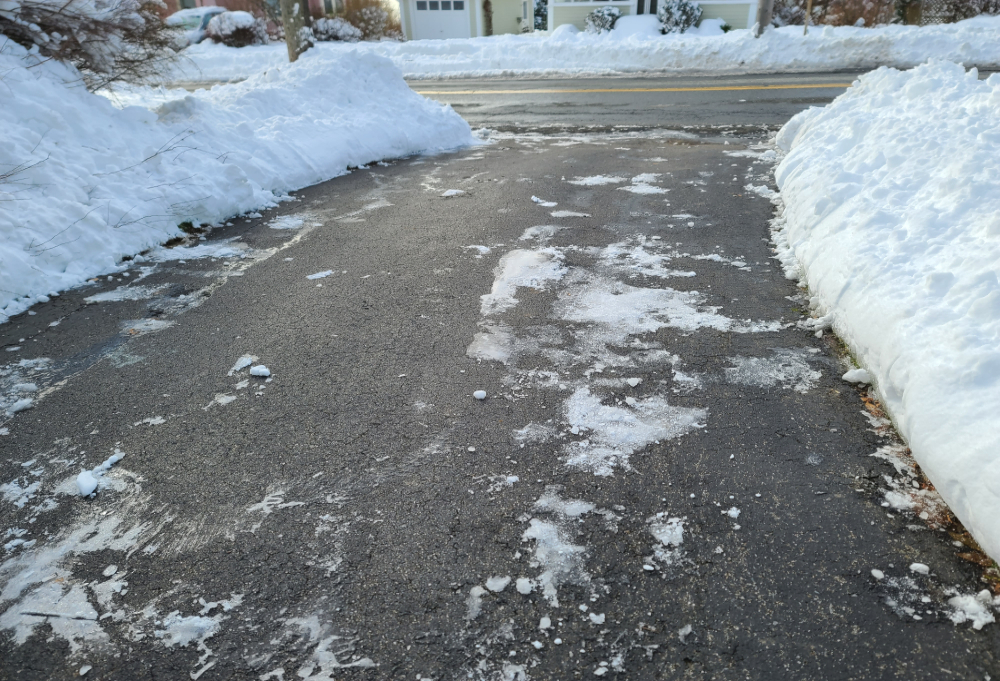
Winter pavement damage around Zion often starts with something small: a hairline crack, a low spot that holds water, or an aging seam. Once Northern Illinois temperatures repeatedly move above and below freezing, that minor weakness can turn into wider cracks, loose pavement, or a pothole.
Quick answer: Freeze-thaw cycles damage asphalt when water enters cracks or openings in the pavement, freezes, and contributes to movement and deterioration within the pavement system. When temperatures rise, the ice melts and allows more moisture to enter. Repeated cycles can enlarge cracks and weaken pavement, especially when drainage is poor or the asphalt is already deteriorating.
What local property owners should know
-
Small cracks can become more serious after repeated winter freezing and thawing.
-
Zion’s location near Lake Michigan means pavement must withstand cold weather, snow, ice, and recurring winter moisture.
-
Parking lots and driveways with standing water are especially vulnerable because moisture has more opportunities to enter pavement defects.
-
Nearby communities such as Beach Park, Winthrop Harbor, and Waukegan experience the same regional freeze-thaw conditions.
-
Addressing cracks and drainage problems before winter can help limit moisture intrusion.
Why Do Freeze-Thaw Cycles Damage Asphalt?
Freeze-thaw cycles damage asphalt by allowing water to enter pavement openings and repeatedly freeze and thaw, contributing to cracking, movement, and loss of pavement strength. In Northern Illinois, the problem can repeat throughout the colder months rather than occurring during a single deep freeze.
Water is the key part of the process. A pavement surface may already have small cracks from age, traffic, previous weather exposure, or movement below the asphalt. Water enters those openings during rain, melting snow, or winter thaws.
When conditions become cold enough for that moisture to freeze, stresses within an already compromised pavement system can increase. When temperatures rise again, the moisture thaws. Additional water can then work into existing defects.
For properties in Zion and elsewhere in Lake County, this cycle can gradually turn manageable pavement defects into more significant repairs.
Why Does Freeze-Thaw Damage Matter in Zion?
Freeze-thaw damage matters in Zion because local asphalt is exposed to a combination of winter moisture, freezing temperatures, snowmelt, and repeated seasonal temperature changes. Pavement near Lake Michigan must also handle the normal stresses created by vehicles, drainage patterns, plowing, and deicing practices.
A driveway in Beach Park, a commercial parking lot in Waukegan, and pavement near Winthrop Harbor can all develop similar winter problems. However, the severity of the damage varies with pavement condition, drainage, construction, traffic, and maintenance history.
Real Paving helps area property owners evaluate asphalt problems and determine which pavement issues may benefit from maintenance or repair. After identifying the source and extent of deterioration, we can help explain the practical options for the property.
What Do We Commonly See After Northern Illinois Winters?
Common post-winter pavement problems include widened cracks, potholes, loose asphalt, depressed areas, and deterioration around previously damaged sections. These are professional field observations rather than a statistical survey, and the condition of any individual property can vary significantly.
Spring is often when existing problems become easier to see. Snow has melted, pavement is exposed, and moisture may collect in low areas. Cracks that seemed minor before winter may be more pronounced.
This makes the transition from winter into spring a useful time for Zion property owners to walk their pavement and note changes.
How Can Freeze-Thaw Damage Affect a Property?
Freeze-thaw deterioration can make asphalt rougher, allow additional water intrusion, increase repair needs, and create uneven or damaged driving and walking surfaces. On commercial properties, deteriorated pavement can also affect how customers, tenants, employees, and delivery drivers use the site.
A pothole in a residential driveway may initially be inconvenient. Similar deterioration across a busy parking lot can become a larger maintenance concern.
Waiting also gives moisture additional opportunities to enter exposed pavement. In Northern Illinois, that matters because the pavement will eventually face another cold season.
What Are the Warning Signs of Freeze-Thaw Asphalt Damage?
The main warning signs are cracks, potholes, loose pavement, standing water, depressions, and visible deterioration that becomes worse after winter. Zion property owners should pay particular attention during spring inspections and after periods of snowmelt.
Watch for:
-
Cracks that appear wider than they were before winter.
-
New potholes or small cavities developing in cracked areas.
-
Loose aggregate or crumbling pavement around existing damage.
-
Depressions where rainwater or melted snow repeatedly collects.
-
Deterioration along pavement edges.
-
Connected or widespread cracking across larger areas.
-
Previously repaired areas that are opening or breaking apart.
Changes from one season to the next can provide useful clues about how quickly the pavement is deteriorating.
When Should You Call an Asphalt Professional?
Call an asphalt professional when cracking is spreading, potholes are forming, pavement is sinking or breaking apart, or drainage problems are contributing to repeated damage. Minor surface changes can be monitored, but structural deterioration and recurring water problems deserve a closer evaluation.
Property owners can safely inspect pavement visually and keep debris from blocking normal drainage paths. Avoid assuming that every crack or pothole has the same cause.
For pavement around Zion, an inspection can help determine whether the appropriate response is preventive maintenance, localized repair, or more extensive pavement work.
What Commonly Causes Asphalt Damage Around Zion?
The most common contributors include water intrusion, existing cracks, drainage problems, pavement age, traffic stress, and repeated winter weather exposure. Freeze-thaw cycling often accelerates weaknesses that are already present rather than acting as the only cause.
Poor drainage is particularly important. Water that repeatedly collects in the same location has more opportunities to enter pavement openings.
Existing cracks provide another pathway. Traffic can further stress weakened sections, while snow removal and normal winter property use add to the demands placed on the surface.
Across Lake County, the combination of moisture and seasonal temperature changes makes keeping water out of vulnerable pavement an important maintenance goal.
How Can Property Owners Reduce Freeze-Thaw Damage?
Property owners can reduce freeze-thaw damage by addressing cracks, correcting drainage concerns, monitoring pavement condition, and completing appropriate maintenance before winter deterioration accelerates. Late summer and fall are useful times to identify vulnerable areas before snow and freezing conditions arrive.
Keep drainage paths clear and look for places where water remains after rain. Note cracks that are expanding or areas where the surface is beginning to crumble.
After winter, inspect again. Comparing fall and spring conditions can reveal which sections are deteriorating fastest.
DIY inspection is useful, but diagnosing failed pavement, correcting significant drainage issues, and performing durable asphalt repairs are jobs better evaluated by paving professionals.
What Results Can You Expect From Asphalt Maintenance or Repair?
Appropriate asphalt maintenance or repair can address existing defects, reduce pathways for water intrusion, and improve the usability and appearance of damaged pavement. The expected result depends on whether deterioration is limited to the surface or extends deeper into the pavement structure.
A small, isolated problem may have different repair options than widespread cracking or recurring settlement. That is why evaluating the condition of the pavement first matters.
Our goal is to match the solution to what the pavement actually needs rather than treating every winter-damaged surface the same way.
What Mistakes Make Winter Asphalt Damage Worse?
The biggest mistakes are ignoring water, postponing visible deterioration, treating every defect as a surface problem, and waiting until winter to start thinking about pavement condition.
Mistake: Ignoring standing water.
Consequence: Moisture repeatedly reaches vulnerable pavement.
Better approach: Investigate why the area holds water and whether drainage or pavement conditions need attention.
Mistake: Waiting while cracks continue spreading.
Consequence: More pavement can become exposed to moisture and weather.
Better approach: Have expanding or widespread cracking evaluated before another winter.
Mistake: Focusing only on the visible pothole.
Consequence: The underlying reason for repeated deterioration may remain.
Better approach: Evaluate the surrounding pavement and drainage conditions too.
What Does a Common Zion Freeze-Thaw Scenario Look Like?
A common local scenario begins with an older driveway or parking lot that already has cracks before the first sustained cold weather arrives. This is an illustrative Northern Illinois scenario, not a Real Paving case study.
Rain and melting snow introduce water into the damaged areas. Temperatures fluctuate during the winter, and the pavement goes through repeated freezing and thawing. By spring, some cracks are wider and a weakened section may begin breaking apart.
The useful lesson is simple: winter often exposes and accelerates existing weaknesses.
Which Asphalt Services Can Address Freeze-Thaw Damage?
The right asphalt service depends on the extent, depth, and cause of the deterioration, ranging from preventive pavement care to localized repair or more extensive paving work. A professional evaluation helps separate repairable isolated defects from pavement that has more widespread problems.
We can assess visible damage, consider drainage and pavement condition, and discuss suitable asphalt solutions for local residential or commercial properties.
Should You Repair Asphalt or Replace It?
Repair is generally more appropriate for localized problems, while more extensive work may be appropriate when deterioration is widespread or the pavement system has substantially failed. The decision should be based on the overall condition of the surface and underlying pavement, not simply the appearance of one pothole.
For Zion property owners, timing matters too. Addressing a limited defect before another Northern Illinois winter may prevent that specific opening from remaining an easy route for moisture.
An inspection provides better information than choosing a repair method based only on what is visible from the surface.
What Areas Does Real Paving Serve Around Zion?
Our local focus includes Zion and the surrounding Northern Illinois area, where property owners face similar seasonal pavement challenges. Nearby communities such as Beach Park, Winthrop Harbor, Waukegan, and other parts of Lake County experience the same general pattern of cold winters, snowmelt, and seasonal pavement stress.
What Can Happen If Freeze-Thaw Damage Is Ignored?
Ignoring freeze-thaw damage can allow cracks and weakened areas to continue deteriorating, potentially increasing the amount of pavement that eventually requires attention. Water can continue entering existing defects, and another Northern Illinois winter can place additional stress on already compromised areas.
Early evaluation does not mean every crack requires major work. It provides information that can help property owners plan maintenance instead of reacting after deterioration becomes more extensive.
Frequently Asked Questions About Freeze-Thaw Asphalt Damage
How does freezing water damage asphalt in Zion?
Water contributes to asphalt damage when it enters cracks and vulnerable areas and then goes through repeated freezing and thawing. Around Zion, winter moisture can come from snow, ice, rain, and melting snow. Existing cracks and drainage problems can make pavement more susceptible to continued deterioration.
When should I inspect my asphalt in Northern Illinois?
Inspect asphalt in the fall before winter and again after snow and ice have cleared in spring. The fall inspection can identify cracks and drainage concerns before freezing weather, while the spring inspection can reveal new potholes, widening cracks, loose material, or other changes caused during the winter season.
Are potholes caused by freeze-thaw cycles?
Freeze-thaw activity can contribute to pothole development, especially where pavement is already cracked or weakened and water can enter the pavement system. Traffic can further break apart compromised areas. Because potholes can have multiple contributing causes, the surrounding pavement should be evaluated rather than assuming winter weather is solely responsible.
Does Lake Michigan affect pavement conditions around Zion?
Zion’s proximity to Lake Michigan is part of its broader local weather setting, but individual pavement performance depends on many property-specific factors. Winter temperature changes, precipitation, snowmelt, drainage, traffic, pavement construction, and existing condition all influence deterioration, so proximity to the lake alone does not determine whether asphalt will fail.
Can I fix freeze-thaw damage myself?
Property owners can monitor cracks, remove debris, and keep normal drainage paths clear, but significant pavement repair should be properly evaluated. Large potholes, widespread cracking, settlement, recurring standing water, and crumbling asphalt may indicate problems that go beyond a simple surface defect and require professional paving knowledge.
Is standing water bad for asphalt during a Lake County winter?
Standing water can increase pavement concerns because it keeps moisture near cracks, joints, depressions, and other vulnerable areas. During a Lake County winter, that moisture may be exposed to repeated freezing and thawing. Recurring puddles are therefore worth investigating rather than treating them as only a cosmetic inconvenience.
Is spring a good time to evaluate winter asphalt damage?
Spring is a useful time to evaluate asphalt because winter deterioration becomes visible once snow and ice have cleared. Property owners can look for new potholes, widened cracks, loose pavement, and areas holding water. An inspection can then help prioritize repairs or maintenance before the next cold-weather season.
Can sealing cracks prevent all winter asphalt damage?
No single maintenance step can prevent every form of winter pavement deterioration. Addressing appropriate cracks can reduce pathways for moisture, but drainage, pavement age, underlying conditions, traffic, and existing deterioration also affect performance. Widespread cracking or recurring pavement failure may require a different solution than routine crack maintenance.
Protect Your Asphalt Before Another Northern Illinois Winter
Freeze-thaw deterioration is easier to manage when property owners understand where water is entering and which areas are already weakening. We help local property owners evaluate asphalt conditions and choose practical solutions based on the pavement in front of us.
Get Your Zion Asphalt Ready for Northern Illinois Weather
Protecting vulnerable pavement now can help you address existing problems before another season of freezing temperatures and snowmelt.