
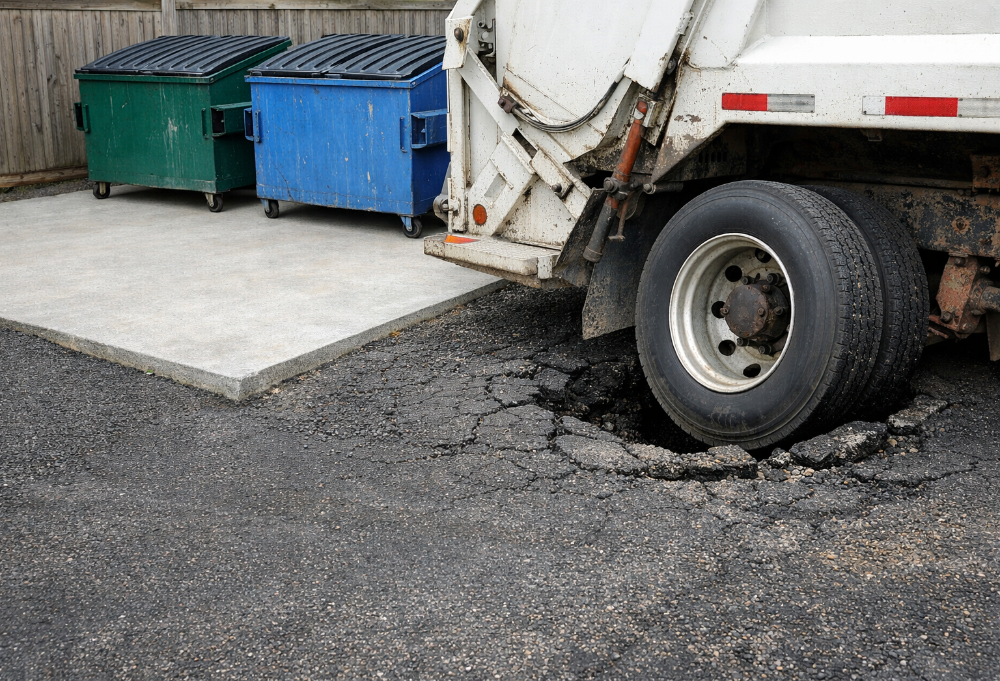
Properties throughout Lake County, IL face unique paving challenges because of changing soil conditions, groundwater, and seasonal freeze thaw cycles. Near the Lake Michigan shoreline, sinking asphalt is often more than a surface problem. It usually signals weakness beneath the pavement that requires proper stabilization before new asphalt can perform as intended. Quick Answer Fixing
READ MORECategory: Asphalt Paving
Commercial Trench Patching: Repairing Asphalt Cutouts After Utility and Water Line Repairs
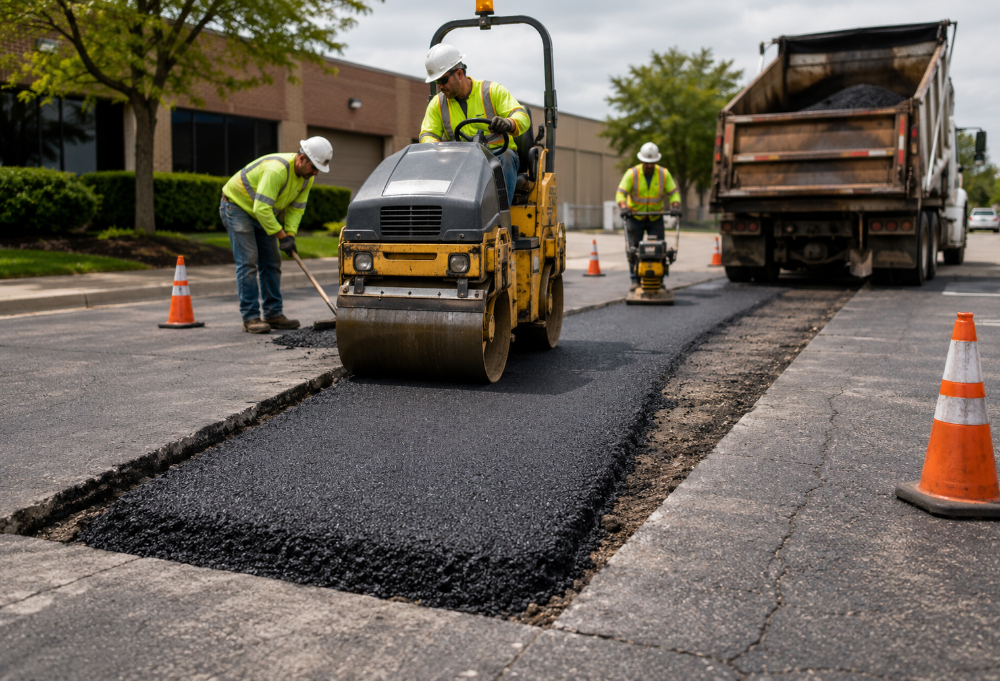
When utility crews finish their underground work, they leave behind something that every property owner dreads: an open trench cut straight through an otherwise functional asphalt surface. Whether the job involved replacing a water main, rerouting electrical conduit, or repairing a gas line, the pavement above it needs to be restored correctly. For commercial properties
READ MOREHow Midwest Winters Damage Asphalt Pavement
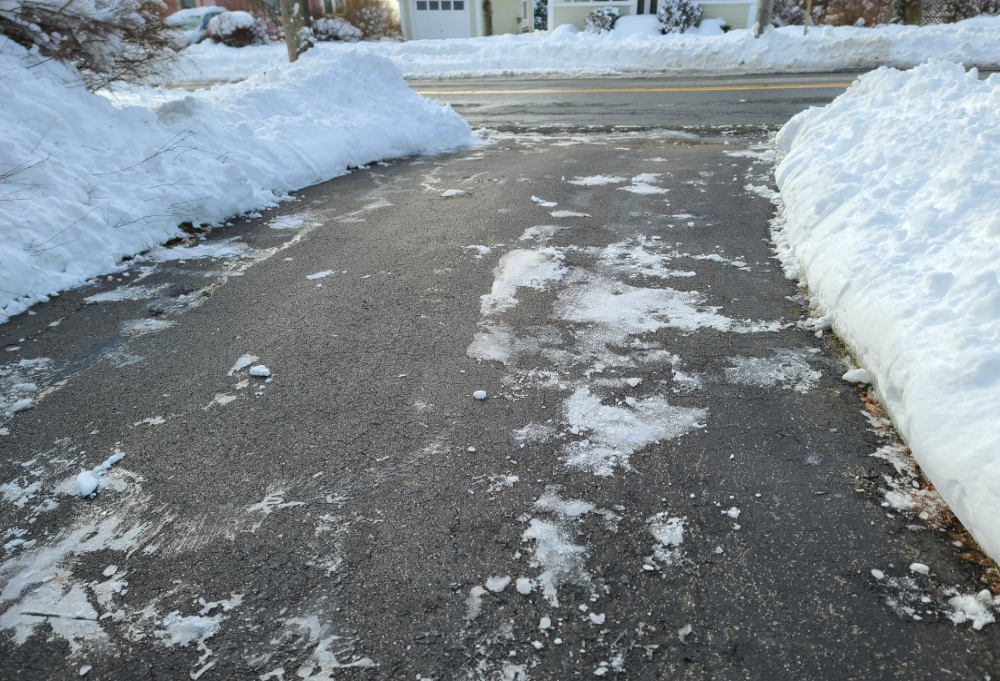
Winter in the Midwest is no stranger to extremes. Temperatures plummet well below freezing, snowstorms roll in without mercy, and the freeze-thaw cycle repeats itself week after week from November through March. For homeowners, business owners, and property managers, this seasonal punishment takes a serious toll on one of the most vulnerable surfaces on any
READ MOREResidential vs. Commercial Asphalt Paving: What’s the Difference?
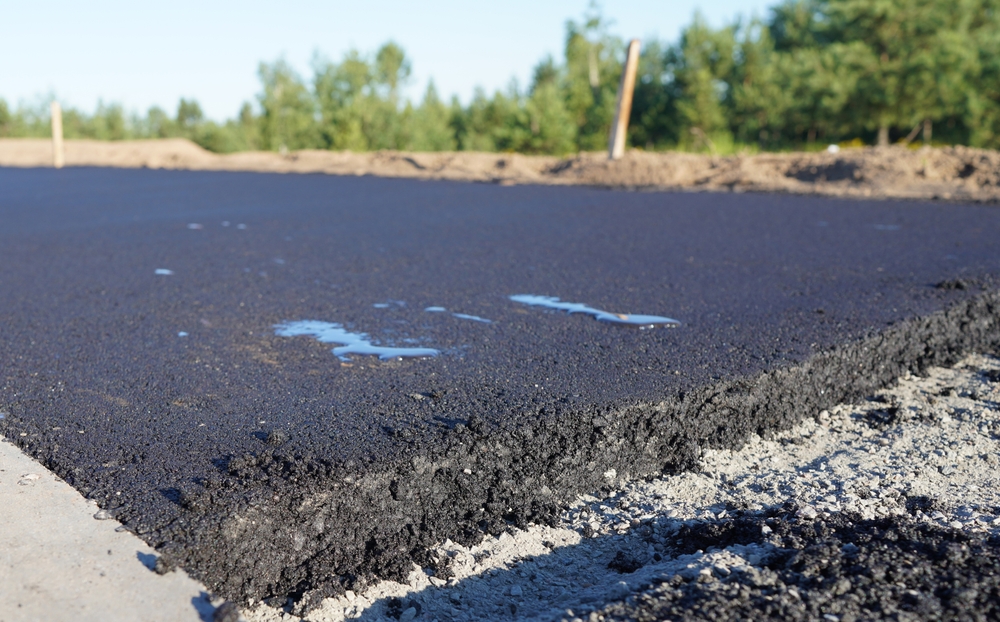
When it comes to asphalt paving, most people assume the work is pretty much the same regardless of the project. Pour the asphalt, smooth it out, and let it cure. But anyone working in the industry will tell you there is a significant gap between what goes into a residential driveway and what goes into
READ MOREThe 45-Degree Edge Tamp: Protecting Your Driveway from the Illinois Snowplow
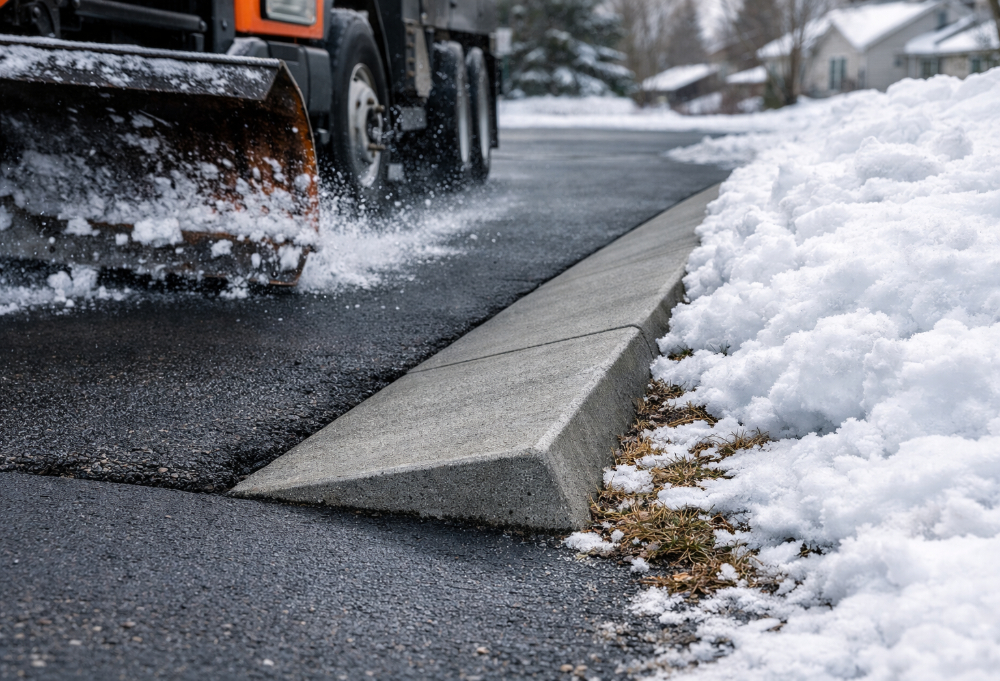
Winter arrives, the plows roll out, and by March, the edges of your driveway look like they lost a fight. Crumbling corners, broken edges, and chunks of asphalt scattered across your lawn are not just eyesores. They are the predictable result of a driveway that was not built to withstand the mechanical forces of a
READ MORE