
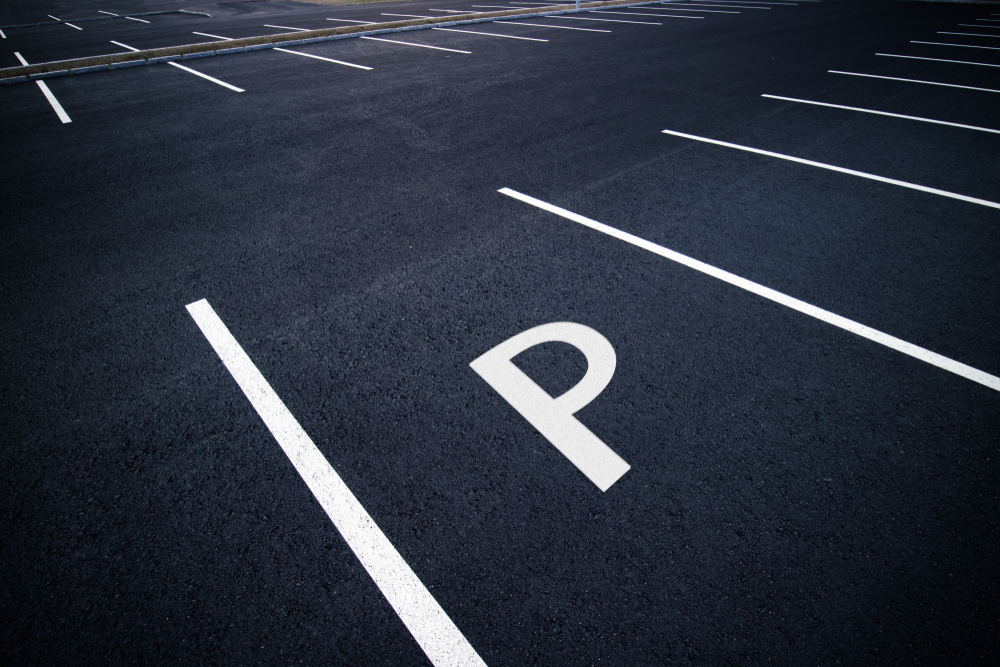
Parking lots across Lake County, IL do more than provide places to park. They must safely direct stormwater, protect surrounding properties, and comply with local municipal requirements. Extruded concrete curbs play a major role in managing drainage while creating durable traffic control features for commercial properties.
Quick Answer
Extruded concrete curbs help commercial parking lots in Lake County, IL manage stormwater by directing runoff toward approved drainage systems while defining traffic lanes and protecting landscaped areas. Proper curb design must work alongside municipal drainage requirements, grading plans, and local stormwater regulations to support safe and compliant parking lot construction.
What Local Readers Should Know
-
Many Lake County municipalities require parking lot drainage plans that meet local stormwater management ordinances before construction begins.
-
Extruded concrete curbs help channel runoff toward catch basins and detention systems instead of allowing uncontrolled water flow.
-
Freeze and thaw cycles common in northern Illinois place additional stress on parking lot curbs and drainage infrastructure.
-
Commercial developments near communities like Waukegan, Libertyville, Vernon Hills, Gurnee, and Mundelein often face site-specific drainage review during permitting.
-
Proper curb placement supports both long-term pavement performance and municipal code compliance.
Why This Matters Locally
Proper drainage is especially important throughout Lake County because heavy spring rains, summer storms, and winter snowmelt can create significant runoff within commercial parking lots. Poor drainage may lead to standing water, pavement deterioration, icy conditions during winter, and increased maintenance costs.
Many municipalities throughout the county review grading, stormwater management, and drainage plans before approving commercial paving projects. Parking lot curbs are not simply decorative features. They are important components of the overall drainage design that helps direct water toward approved collection systems.
Real Paving understands that successful parking lot construction involves more than installing asphalt or concrete. We recognize how curb placement, grading, and drainage must work together to meet local project requirements.
Local Data and Field Observations
According to the Lake County Stormwater Management Commission, development projects throughout the county are subject to stormwater management standards intended to reduce flooding, protect water quality, and manage runoff from developed properties. Municipalities may also enforce additional local engineering standards depending on the project’s location.
From our field observations, commercial parking lots that incorporate properly designed extruded concrete curbs generally experience better water control than lots where drainage paths are interrupted or poorly defined. This becomes especially noticeable after intense rainfall or during seasonal snowmelt.
Local Impact
Commercial property owners throughout Lake County depend on parking lots that remain safe and functional throughout every season.
Improper drainage can contribute to:
-
Standing water near entrances
-
Accelerated asphalt deterioration
-
Increased pothole formation
-
Ice hazards during winter
-
Damage to landscaped islands
-
More frequent maintenance expenses
-
Customer safety concerns
Well-designed extruded curbs help reduce many of these issues by directing water where engineers intended it to flow.
Warning Signs Your Parking Lot May Have Drainage Issues
Several visible conditions may indicate drainage problems:
-
Water consistently pools after rainfall.
-
Pavement shows early cracking near curb lines.
-
Soil erosion appears around landscaped islands.
-
Catch basins remain dry while water ponds elsewhere.
-
Curbs have shifted, cracked, or settled.
-
Ice repeatedly forms in the same locations during winter.
-
Water flows toward building entrances instead of drainage structures.
These signs often suggest the parking lot drainage system should be evaluated.
When to Call a Professional
Professional evaluation is appropriate when drainage problems extend beyond routine maintenance or cleaning.
Property owners can safely monitor standing water, inspect visible curb damage, and remove debris from surface drains. However, recurring drainage problems, grading concerns, or deteriorating curbs typically require experienced paving and site professionals who understand municipal drainage expectations in Lake County.
Common Local Causes of Parking Lot Drainage Problems
1. Improper Original Grading
Even small grading errors can prevent water from reaching intended drainage structures.
2. Damaged or Settled Curbs
Curbs that crack or shift may interrupt designed water flow patterns.
3. Freeze and Thaw Cycles
Northern Illinois experiences repeated freezing and thawing that places stress on pavement edges and concrete curbs.
4. Heavy Storm Events
Summer thunderstorms can overwhelm poorly designed drainage systems, revealing weaknesses in curb alignment and runoff control.
5. Aging Pavement
Older commercial parking lots throughout Lake County may gradually lose their original slope, reducing drainage effectiveness.
Prevention and Maintenance
Preventive maintenance helps extend the life of both curbs and pavement.
Recommended practices include:
-
Inspect parking lots after major storms.
-
Remove debris from catch basins.
-
Repair curb damage before water infiltration increases.
-
Address pavement settlement promptly.
-
Schedule periodic professional drainage evaluations.
-
Monitor landscaped islands for erosion.
Routine inspections are especially valuable before winter and following spring snowmelt.
Expected Results from Proper Extruded Concrete Curbs
When properly installed alongside an engineered drainage plan, extruded concrete curbs can provide:
-
Improved stormwater direction
-
Better protection for landscaped areas
-
Reduced pavement edge deterioration
-
More organized traffic flow
-
Enhanced parking lot appearance
-
Longer pavement service life through improved water management
Actual performance depends on the complete parking lot design, site conditions, and ongoing maintenance.
Common Mistakes
Mistake: Treating curbs as only decorative.
Consequence: Water may flow unpredictably, increasing drainage issues.
Better approach: Design curbs as part of the complete drainage system.
Mistake: Ignoring small drainage problems.
Consequence: Minor ponding can eventually contribute to pavement damage.
Better approach: Address drainage concerns before deterioration accelerates.
Mistake: Delaying curb repairs.
Consequence: Water infiltration may worsen pavement failures.
Better approach: Repair damaged curbs while surrounding pavement remains structurally sound.
Common Local Scenario
A commercial property owner notices standing water forming near parking stalls after every significant rainstorm. During winter, the same area repeatedly develops ice despite regular snow removal.
Upon evaluation, the drainage path is partially interrupted by deteriorated curb sections and pavement settlement. Correcting curb alignment while restoring proper grading allows runoff to reach existing drainage structures more effectively, reducing recurring maintenance concerns.
Related Service Solutions
Extruded concrete curbs often complement several commercial paving services, including:
-
New parking lot construction
-
Parking lot reconstruction
-
Asphalt paving
-
Parking lot resurfacing
-
Drainage improvements
-
Pavement repairs
-
Concrete flatwork
-
Site grading coordination
These services work together to support long-term pavement performance and drainage efficiency.
Comparing Your Options
| Option | Advantages | Considerations |
|---|---|---|
| Minor Repairs | Lower initial cost | May not resolve underlying drainage issues |
| Curb Replacement | Restores water guidance | May require localized pavement work |
| Full Parking Lot Rehabilitation | Addresses grading and drainage comprehensively | Larger investment but broader long-term improvements |
| Preventive Maintenance | Helps extend pavement life | Requires regular inspections |
Service Areas
We proudly serve commercial property owners throughout Lake County, including Waukegan, Libertyville, Gurnee, Vernon Hills, Mundelein, Grayslake, Lake Zurich, Buffalo Grove, Round Lake, and surrounding communities throughout northeastern Illinois.
Cost of Ignoring the Issue
Delaying drainage corrections can increase maintenance costs over time.
Standing water contributes to pavement deterioration, freeze-thaw damage, pothole development, and customer safety concerns. Addressing drainage issues early often helps reduce future repair needs while protecting the overall parking lot investment.
Frequently Asked Questions
Do Lake County municipalities regulate commercial parking lot drainage?
Yes. Most municipalities within Lake County require commercial developments to comply with local stormwater management and drainage requirements during project review and permitting.
Why are extruded concrete curbs important for drainage?
Extruded concrete curbs help direct stormwater toward approved drainage structures while protecting pavement edges and landscaped areas from uncontrolled runoff.
Can damaged curbs contribute to standing water in Lake County parking lots?
Yes. Damaged or improperly aligned curbs can interrupt intended drainage paths, allowing water to collect where it should not.
Does winter weather affect concrete curbs in northern Illinois?
Yes. Freeze and thaw cycles common throughout Lake County place stress on both concrete curbs and surrounding pavement, making routine inspections valuable.
Are drainage improvements usually completed during parking lot paving?
Often, yes. Drainage adjustments are commonly incorporated into paving or reconstruction projects when grading corrections are necessary.
How often should commercial parking lots be inspected?
Most commercial properties benefit from annual inspections along with additional evaluations after severe storms, significant snowmelt, or visible drainage problems.
Can proper curb design extend pavement life?
Yes. Effective water management reduces moisture-related pavement deterioration, helping parking lots perform better over time.
What should property managers monitor after heavy rainfall?
Property managers should look for standing water, erosion around landscaped islands, blocked catch basins, damaged curbs, and areas where runoff follows unexpected paths.
Closing
Proper drainage begins with thoughtful parking lot design, and extruded concrete curbs remain an important part of that system. For commercial properties throughout Lake County, well-planned curb installation helps support safer traffic flow, better stormwater management, and longer-lasting pavement performance.
Protect Your Commercial Parking Lot with Professional Drainage Solutions
A well-designed parking lot helps safeguard your investment while supporting safer access throughout every season.